An internal audit reveals that while the company's Code of Conduct explicitly commits to protecting customer data privacy, there are currently no specific operating policies or employee training modules addressing data privacy. Which of the following is the most appropriate response by the compliance team to resolve this program gap?
Select an answer to reveal the explanation.
Short Explanation and Infographic
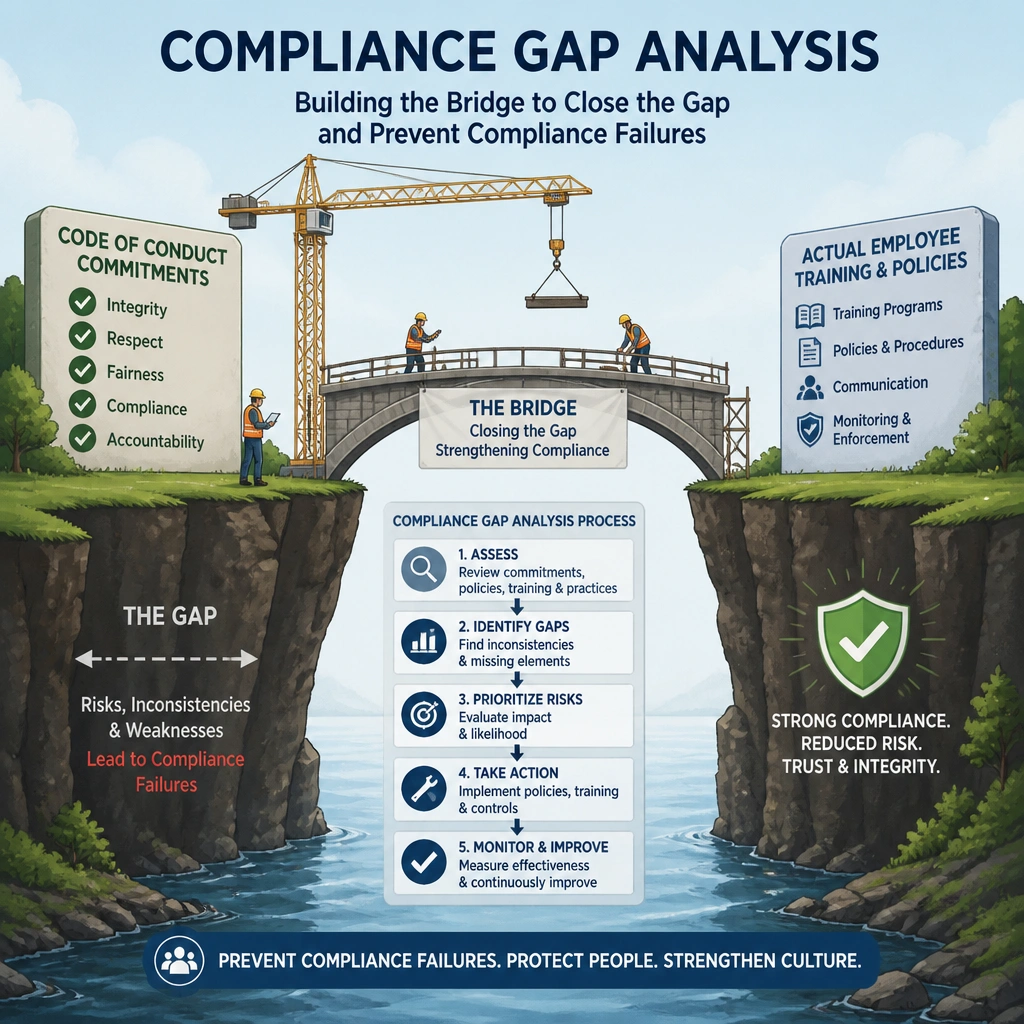
Check this out: if your Code of Conduct says one thing, but you don't have the actual policies or training to back it up, you've got a major gap in your program design. If regulators look at that, they'll see a 'paper compliance program'—which is a huge red flag. You can't just delete the section to hide the gap, and you definitely don't wait for a data breach to blow up in your face. The right move is to perform a gap analysis, write the policies, and get your team trained. Option D is the only way to build a solid, effective program.
Full explanation below image
Full Explanation
In compliance, a 'paper program' is one that exists only in documents like the Code of Conduct but is not integrated into daily operations through training and policies. Regulators, including the DOJ, place great emphasis on whether a compliance program is well-designed and implemented in practice. When an inconsistency is found between high-level commitments and actual operational controls, it represents a significant compliance gap that must be remediated. Option D is the correct answer because conducting a gap analysis allows the compliance team to systematically identify the mismatch between the Code of Conduct and operational procedures. Drafting specific data privacy policies and implementing employee training addresses the root cause of the gap, ensuring that the organization's practices align with its public commitments and regulatory requirements. Option A is incorrect because removing the data privacy section from the Code of Conduct would lower the company's standards and increase legal and regulatory risks, rather than resolving the underlying lack of operational controls. Option B is incorrect because waiting for a security incident or regulatory breach to occur is reactive and exposes the organization to severe financial, legal, and reputational damages. A proactive approach is required for an effective compliance program. Option C is incorrect because terminating the compliance officer is a punitive measure that does not resolve the organizational gap. Programmatic gaps are corrected through structured review, policy creation, and training, not merely changing personnel.