During an internal investigation into potential channel stuffing and revenue recognition fraud, the compliance team leverages forensic data analysis on the company's ERP transactions. What is the primary purpose of executing this forensic analysis?
Select an answer to reveal the explanation.
Short Explanation and Infographic
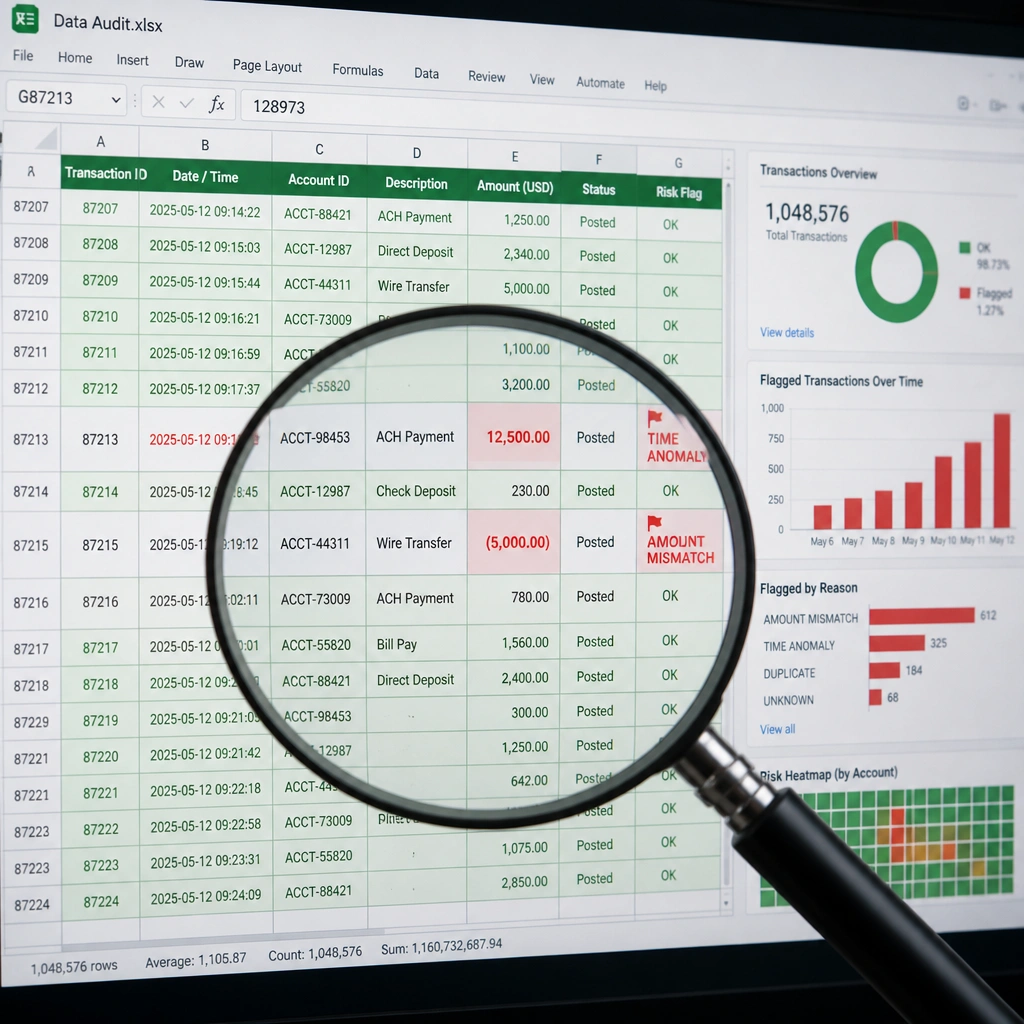
Let's look at this from a practical angle. Imagine your boss tells you there's a rumor that sales reps are faking end-of-quarter deals to hit their bonuses. How do you find out if it's true? You can't read a million emails or look at every invoice by hand. You use forensic data analysis to scan the ERP system for patterns—like massive sales returns in the first week of the new quarter. It points you directly to the anomalies that suggest misconduct. It's not about making assumptions; it's about letting the data guide your flashlight to the dark corners. Trust me, it works!
Full explanation below image
Full Explanation
Forensic data analysis is a specialized methodology used during investigations to identify, collect, analyze, and reconstruct digital financial and operational transactions. In the context of a compliance investigation, its purpose is to convert raw, unstructured, or massive structured data into actionable intelligence. Option D is correct because the primary goal of forensic data analysis is to detect hidden trends, anomalies (such as transactions processed outside business hours, duplicate vendor accounts, or unexpected changes in payment terms), and patterns that suggest compliance deviations or fraudulent activities. This allows investigators to establish a factual baseline and direct their resources efficiently. Option A is incorrect because forensic analysis is an objective, investigative tool; it cannot guarantee that no fraud occurred. In fact, its purpose is to look for evidence of potential fraud, and assuming a clean bill of health beforehand violates professional standards of skepticism. Option B is incorrect because forensic data analysis flags areas of concern but cannot replace the critical judgment, interviewing, and context provided by human compliance professionals and investigators. Option C is incorrect because targeting an individual and assigning blame before conducting a comprehensive review of the data context represents a biased and flawed investigative technique, which can undermine the integrity of the entire inquiry.