Think of it like this: if you design a fast car but only think about the brakes after the engine is built, you're going to crash. The same goes for your business operations. What is the main reason we want to build compliance checks directly into our daily workflows and software systems, rather than treating compliance as a separate office down the hall?
Select an answer to reveal the explanation.
Short Explanation and Infographic
Let me show you how this works in the real world. If compliance is just that annoying office on the fifth floor that everyone avoids, guess what? People are going to bypass the rules to get their jobs done. But if you bake compliance right into the database systems, the procurement forms, and the sales workflows, it just becomes 'the way we do things.' It's not an afterthought; it's part of the engine. That means fewer violations, less risk, and a culture where integrity is built-in, not bolted-on. Trust me, this is what the regulators look for when they evaluate your program. Let's keep rolling.
Full explanation below image
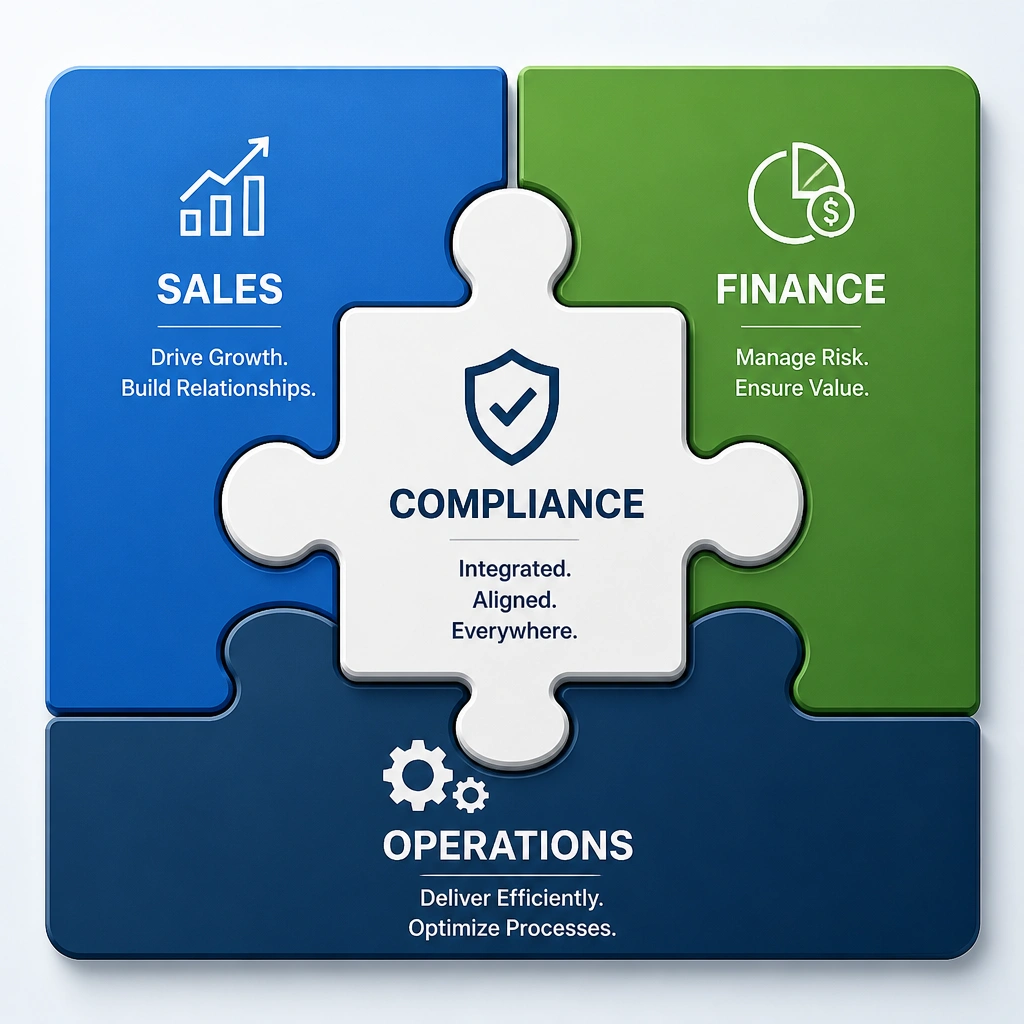
Full Explanation
The effectiveness of a compliance program relies heavily on its integration into the daily operations of the business. Both the U.S. Sentencing Guidelines and DOJ guidance on the Evaluation of Corporate Compliance Programs emphasize that a compliance program should not merely be a "paper program" or an isolated silo. When compliance is integrated directly into business workflows, it changes the corporate culture from reactive (fixing errors after they happen) to proactive (preventing errors during the execution of business tasks).
Let's analyze the choices: - Option C is correct because integration ensures compliance is embedded in the company's operational DNA. Proactive compliance reduces friction, improves risk detection, and fosters a culture of ethical behavior across all departments. - Option A is incorrect because keeping compliance as an isolated, standalone silo is a failure mode that prevents the compliance team from understanding business realities and makes the program less effective. - Option B is incorrect because requiring the compliance officer to make all operational decisions is inefficient, creates bottlenecks, and misinterprets the compliance officer's role, which is advisory and oversight-focused, not operational control. - Option D is incorrect because while synchronized training is an administrative goal, it is a minor procedural detail rather than the core strategic benefit of embedding compliance into the business processes.