Imagine your sales team is eager to close a massive international contract and decides to hire an unvetted local agent to "expedite" the bidding process with a foreign government. Why does using unvetted or unlicensed third-party intermediaries pose such a massive threat to your organization?
Select an answer to reveal the explanation.
Short Explanation and Infographic
Pay close attention here, because this one bites people in production all the time. In the compliance world, third-party agents are the number one source of Foreign Corrupt Practices Act (FCPA) violations. Sales teams love them because they get things done. But if you don't vet them, license them, and monitor them, you're giving a stranger a credit card to go bribe a government official on your behalf. Under the law, saying 'I didn't know they were doing that' is not a defense. The authorities will treat their bribe as your bribe. You've got to control your agents, or they'll sink your ship. Let's keep moving.
Full explanation below image
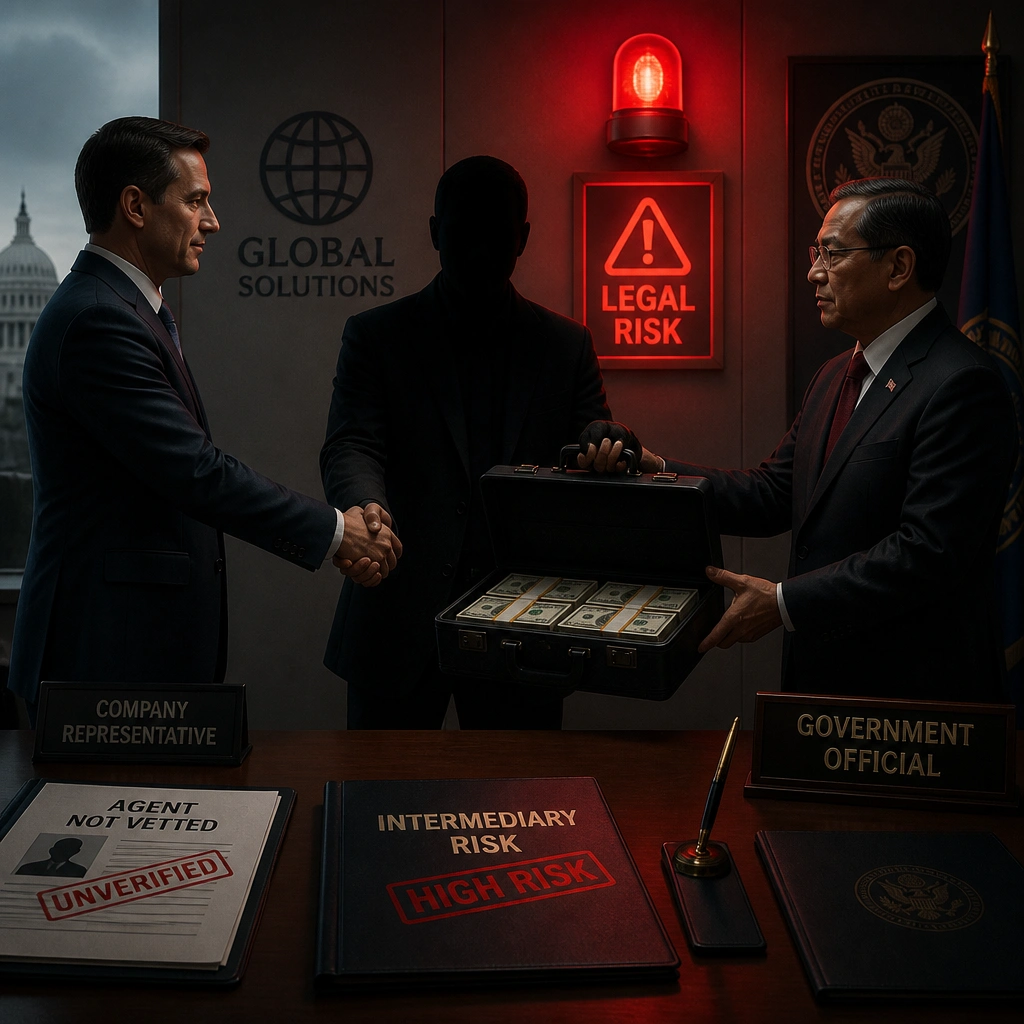
Full Explanation
The use of third-party intermediaries (such as agents, consultants, distributors, and joint venture partners) represents one of the highest risk areas in corporate compliance, particularly concerning anti-bribery and anti-corruption (ABAC) laws like the Foreign Corrupt Practices Act (FCPA) and the UK Bribery Act. Regulators hold companies responsible for the actions of their agents if the company knew or should have known that the agent was engaging in corrupt activities. Utilizing unlicensed or unvetted third parties creates a blind spot where illicit payments or gifts may be offered to secure business.
Let's analyze the choices: - Option C is correct because third-party actions can directly attribute liability to the hiring firm. Under the FCPA, "willful blindness" or "conscious avoidance" of an agent's corrupt practices does not shield a company from liability; the company faces criminal prosecution and substantial monetary penalties for bribes paid by its agents. - Option A is incorrect because agent efficiency or failing to meet quotas is a commercial performance concern, not a legal or compliance risk. - Option B is incorrect because language barriers are a basic communication challenge, not a critical legal liability. - Option D is incorrect because while commission costs affect profit margins, they are a commercial negotiation factor rather than a catastrophic legal risk.