Within a corporate compliance and auditing framework, what does the term 'red flag' specifically denote?
Select an answer to reveal the explanation.
Short Explanation and Infographic
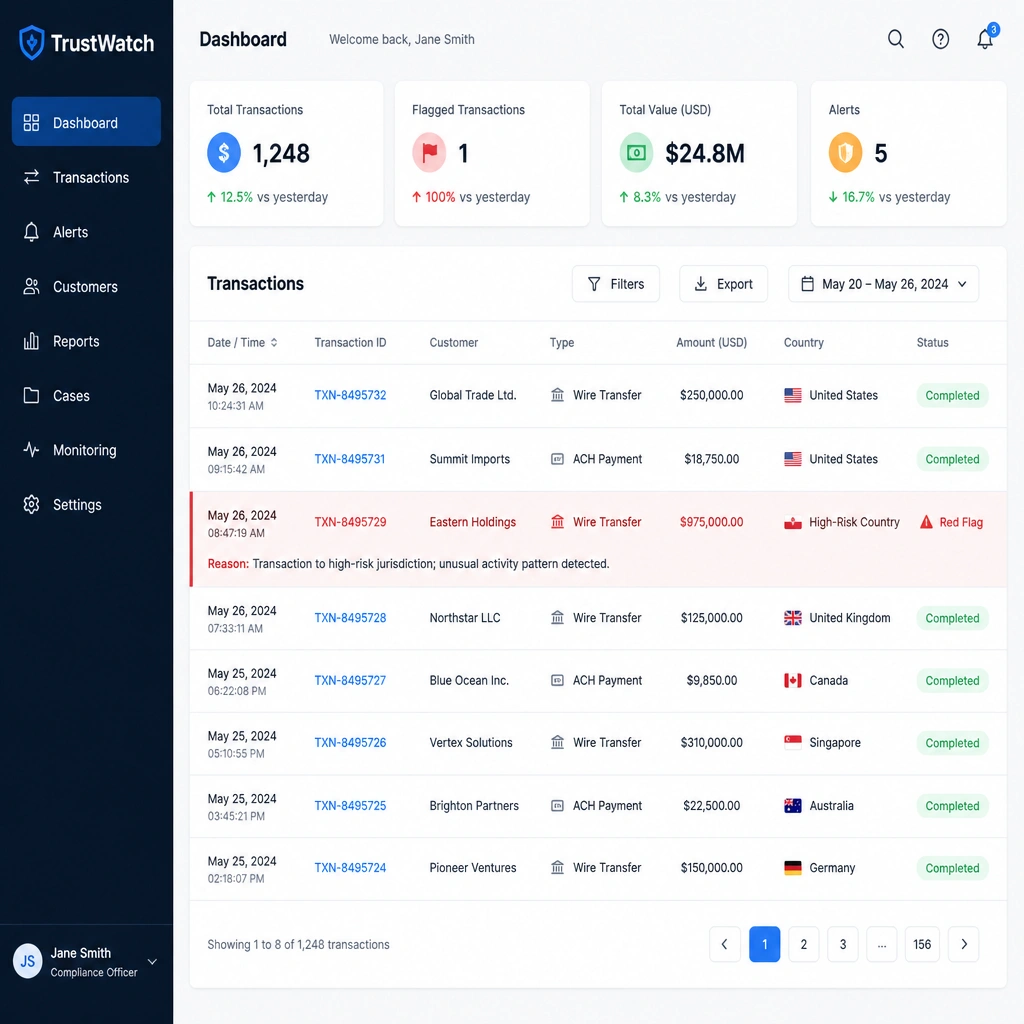
Check this out: in the networking world, if your syslog starts showing a ton of dropped packets or unauthorized login attempts, that's a warning sign that something is broken or under attack. In the compliance world, we call these warning signs "red flags." A red flag isn't proof of guilt by itself—it’s an indicator that says, "Hey, look over here! Something doesn't look right." Maybe a vendor is insisting on being paid in cash, or an employee is logging into the financial system at odd hours. If you ignore these red flags, you're asking for trouble. When a compliance officer spots a red flag, their job is to investigate further, dig into the details, and find out if it's an honest mistake or a serious policy breach. Never ignore the warning signs!
Full explanation below image
Full Explanation
The correct answer is C. A "red flag" is an alert, indicator, or warning sign that suggests a potential anomaly, compliance breach, fraud risk, or ethical issue. Red flags can appear in various contexts: financial audits (e.g., round-dollar transactions, payments to offshore bank accounts), vendor onboarding (e.g., lack of physical office space, close relationships with government officials), or employee behavior (e.g., refusing to take mandatory consecutive leave). Under compliance guidelines (such as the FCPA Resource Guide), companies are expected to design monitoring systems to detect these red flags and, crucially, to document a prompt, reasonable, and documented follow-up investigation when they occur.
Option A is incorrect because project budget overruns are operational and financial management issues, not systemic indicators of ethical or legal compliance risks. Option B is incorrect because red flags denote potential negative risks or anomalies, not positive business growth or high employee morale. Option D is incorrect because HR scheduling warnings are administrative notices, not risk indicators of potential legal or policy violations.