When a multinational business rolls out a new anti-bribery and corruption policy across its international offices, which of the following best describes the criteria necessary for the policy to be successfully operationalized and understood by all staff?
Select an answer to reveal the explanation.
Short Explanation and Infographic
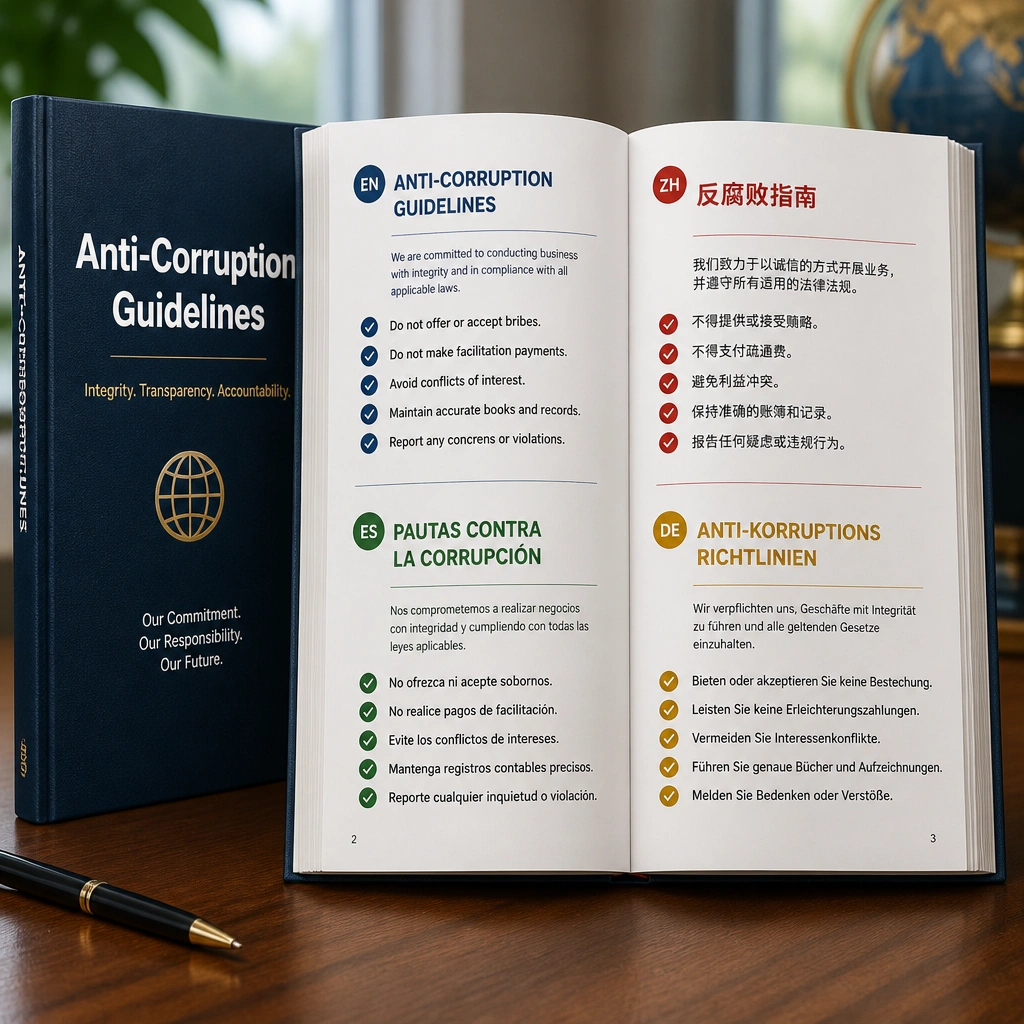
Let's look at this from a real-world perspective. If you deploy a policy that is so thick with legal jargon that people fall asleep reading it, or if it's only in a language they don't speak, is it going to prevent bribery? No way! You need your anti-corruption rules to be clear, concise, and translated into the local languages of all your offices. Think of it like safety instructions on a factory floor—if the workers can't read them, accidents will happen. Keep it readable and localized. Trust me on this, D is the answer.
Full explanation below image
Full Explanation
Operationalizing a compliance policy requires that the targeted audience can read, comprehend, and apply the rules in their daily activities. In global organizations, anti-corruption policies must govern diverse groups of employees who speak different languages and operate under different cultural norms.
For this reason, regulators like the U.S. Department of Justice (DOJ) assess whether policies are effectively communicated to all employees, including translation into local languages. A policy written solely in English or in overly academic language will fail to educate employees on what constitutes a violation, such as distinguishing a legitimate business gift from a bribe.
Let's examine why the other choices are incorrect: - Option A is incorrect because anti-corruption policies must cover all forms of bribery, including non-cash benefits like entertainment, jobs, or donations. - Option B is incorrect because legalese creates a compliance barrier. Policies should use plain language and include real-world examples to be practical for non-lawyers. - Option C is incorrect because keeping anti-corruption guidelines confidential prevents frontline employees—who face the highest exposure to bribery—from knowing how to handle high-risk situations.
Therefore, making the policy clear, concise, and translated (Option D) is essential to ensure that compliance standards are understood and followed throughout the organization.