During an internal investigation into alleged misconduct, a compliance investigator conducts an interview with the accused employee but refuses to allow them to explain their actions, clarify the context, or present rebuttal evidence before making a final determination. This action directly violates which core investigative principle?
Select an answer to reveal the explanation.
Short Explanation and Infographic
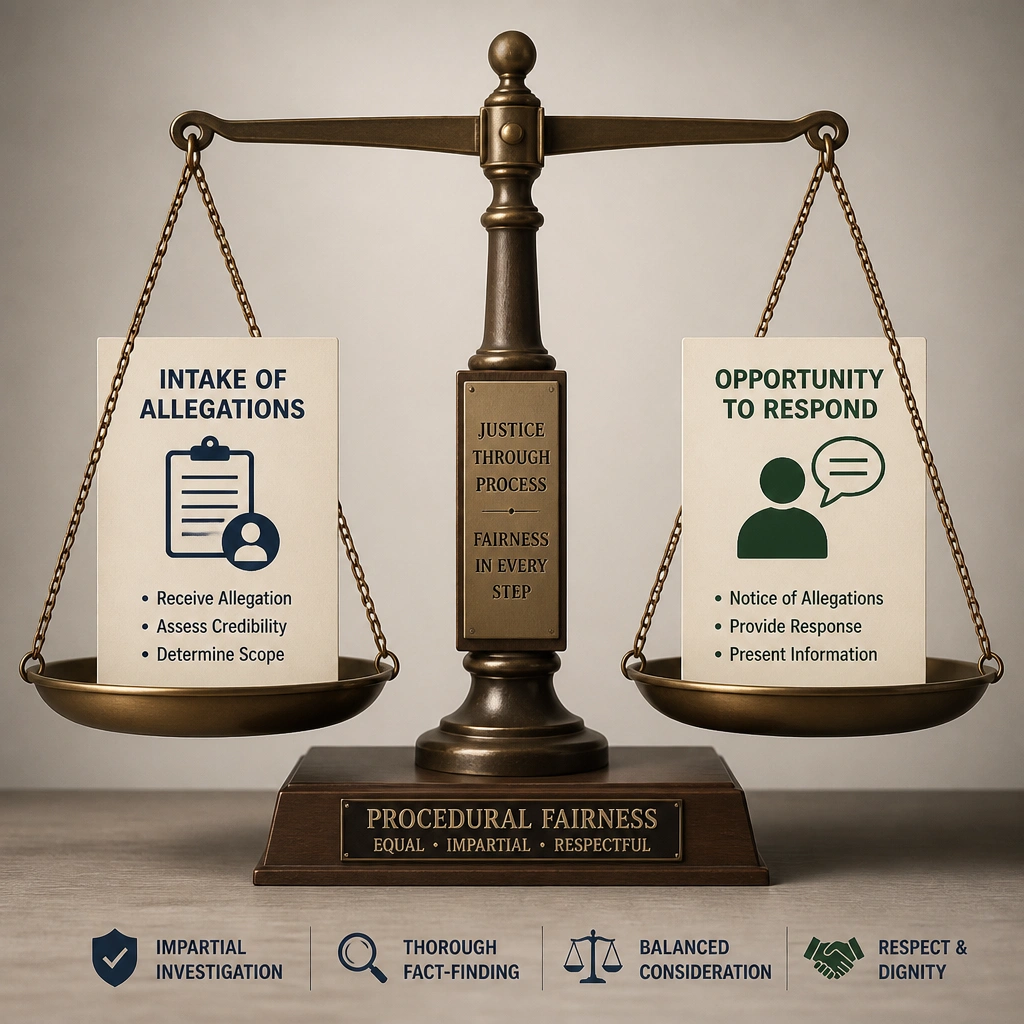
Imagine your boss walks in and accuses you of leaking company secrets, and before you can even open your mouth to explain that you were out sick that day, they write you up. You’d be furious, right? That’s because it violates the basic principle of fairness and due process. In any solid compliance investigation, you must give the accused a fair chance to tell their side of the story. Let's look at why the other options don't fit here. Confidentiality is about keeping the details of the investigation under wraps so rumors don't spread. Non-retaliation means protecting the whistleblower from getting punished for speaking up. Proportionality means the discipline fits the crime—you don't fire someone for taking a pen home. But denying someone the right to respond to an accusation? That's a direct hit to due process. Always make sure your investigations are fair, or the whole program loses credibility.
Full explanation below image
Full Explanation
In corporate compliance investigations, maintaining procedural fairness and due process is critical to the integrity of the program and the legal defensibility of any resulting disciplinary actions. A fundamental tenet of due process is the right of the accused individual to be informed of the allegations against them and to be given a meaningful opportunity to respond and present their version of events. Denying this opportunity undermines the credibility of the investigation, increases the risk of reaching inaccurate conclusions, and exposes the organization to legal liabilities, such as wrongful termination claims, labor union grievances, or defamation lawsuits. Let's analyze the incorrect choices: - Option A is incorrect because confidentiality concerns the restriction of information related to the investigation to a strict "need-to-know" basis. While vital, it does not address the procedural right of the accused to answer allegations. - Option B is incorrect because non-retaliation protects whistleblowers and witnesses from adverse actions. It does not govern the investigative procedures applied to the subject of the investigation. - Option C is incorrect because proportionality requires that the disciplinary measures imposed match the severity of the offense. It applies after the facts have been established, not during the fact-finding interview phase. Upholding fairness and due process ensures that compliance investigations are objective, unbiased, and respected by the workforce.