An organization plans to offer financial services in a market designated as high-risk for money laundering. Which of the following is the most critical preventive control the company should implement to manage this risk?
Select an answer to reveal the explanation.
Short Explanation and Infographic
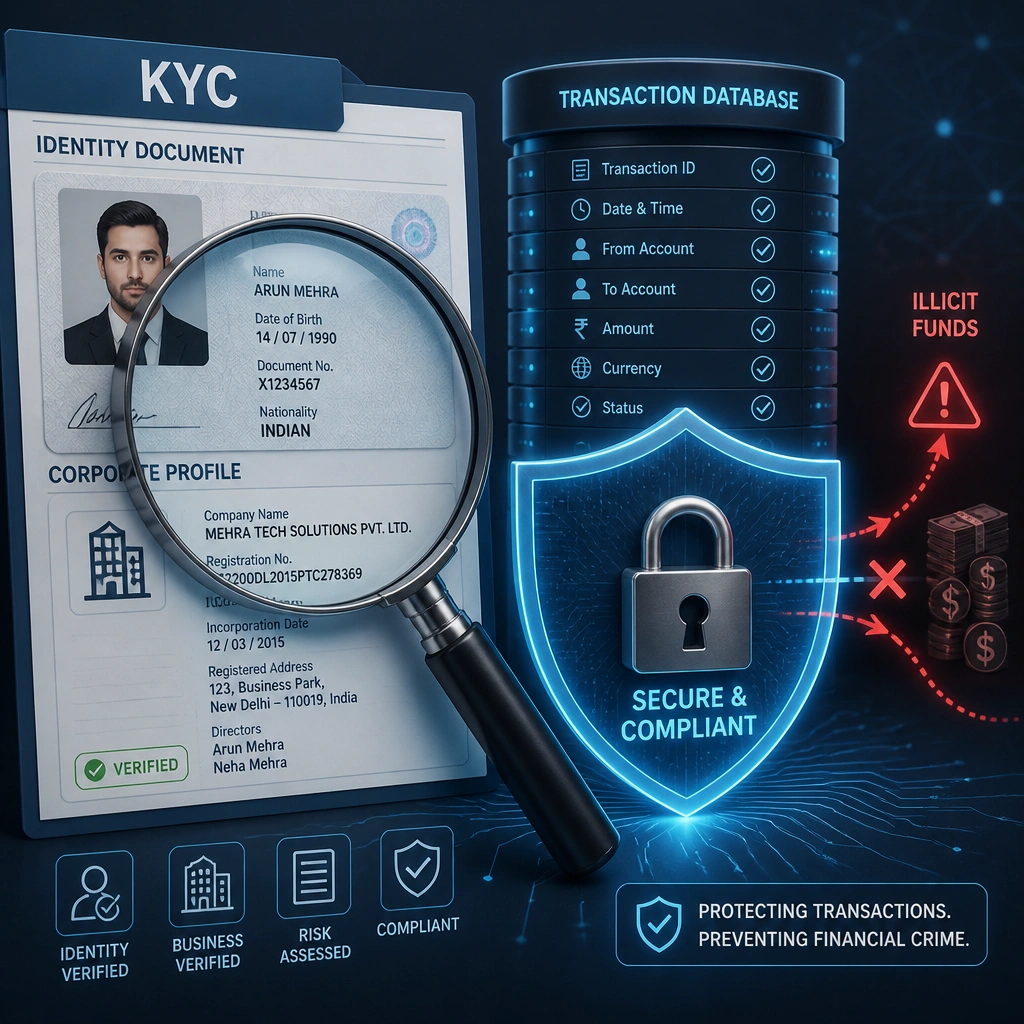
Here's the deal: money laundering is a massive threat, and if you’re operating in a high-risk area, you need solid shields up. If you let customers pay in cash with no questions asked, or if you let just one person handle all the money without any oversight, you are practically rolling out the red carpet for cartels and regulators to ruin your business. The gold standard preventive control here is KYC—Know Your Customer—and transaction tracking. You've got to verify exactly who you are doing business with and watch where their money is going. Now, some might say 'just avoid doing business there entirely,' but that's not a control; that's just avoiding the market. If you want to operate there safely, KYC is your shield. Trust me on this one, regulators look at your KYC program first when they assess your anti-money laundering compliance.
Full explanation below image
Full Explanation
Operating in a jurisdiction with high money laundering risks requires robust, risk-based preventive controls. International standards, such as those from the Financial Action Task Force (FATF), place Customer Due Diligence (CDD) and "Know Your Customer" (KYC) at the center of anti-money laundering (AML) compliance programs. KYC is a preventive control because it requires the firm to verify customer identity, assess the risk profile of the customer, and establish the source of funds before any transaction occurs. When combined with transaction monitoring, these controls prevent the organization from being utilized to layer or integrate illicit funds, and enable the filing of Suspicious Activity Reports (SARs) when necessary. Let's analyze the incorrect choices: - Option A is incorrect because allowing a single person to manage all financial transactions violates the principle of segregation of duties. This creates a severe internal control weakness that facilitates internal fraud and money laundering. - Option B is incorrect because cash transactions are highly anonymous and difficult to trace, which significantly increases money laundering risks. - Option C is incorrect because avoiding the market entirely is a business risk-tolerance decision, not a compliance control. A compliance control is designed to mitigate risks within active business operations. Implementing KYC and transaction tracking procedures ensures compliance with AML regulations and protects the firm from legal and reputational damage.